
An induction furnace releases fume in bursts: during charging, melting, slag removal and tapping. A collection system sized for the average will fail at the peak. This guide walks through how we size one.
Start with the hood, not the fan
Capture efficiency depends on where the hood sits and how much air crosses its face. Side draft, dog house and canopy hoods each suit different furnace layouts. Pick the hood first, then calculate the airflow it needs.
Calculate the airflow
Airflow equals the open face area of the hood multiplied by the capture velocity you need. Add the losses from the duct run to find the static pressure the blower must overcome.
- Measure the hood face area in square metres.
- Choose a capture velocity for the fume temperature and cross-draughts.
- Add duct, bend and filter pressure drops.
Sample sizing table
| Furnace capacity | Typical airflow (m³/hr) | Suggested hood |
|---|---|---|
| 1 tonne | 12,000 – 18,000 | Side draft |
| 3 tonne | 25,000 – 35,000 | Dog house |
| 5 tonne | 40,000 – 55,000 | Canopy with side draft |
These figures are placeholders. Replace them with your real data before publishing.
A well-designed system pays for itself in cleaner air, longer equipment life and fewer shutdowns.
Choose the filter and the fan
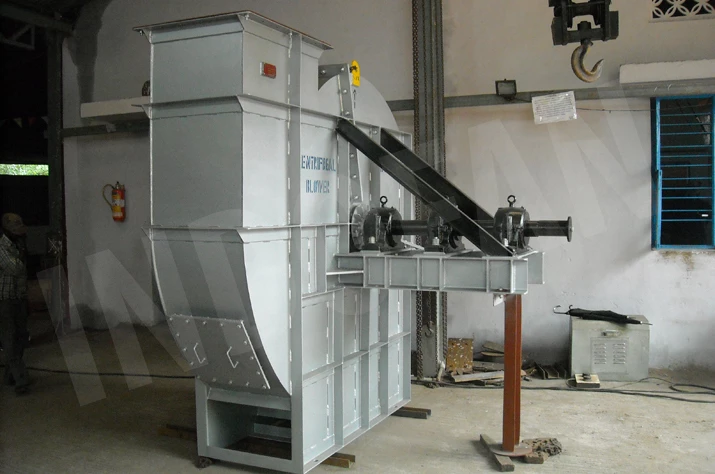
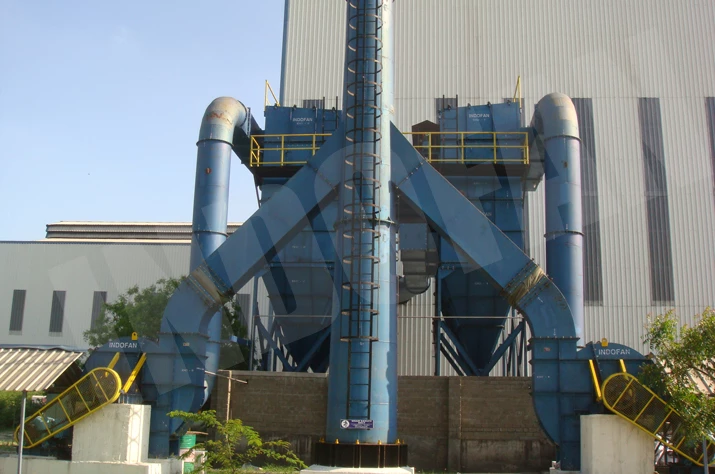
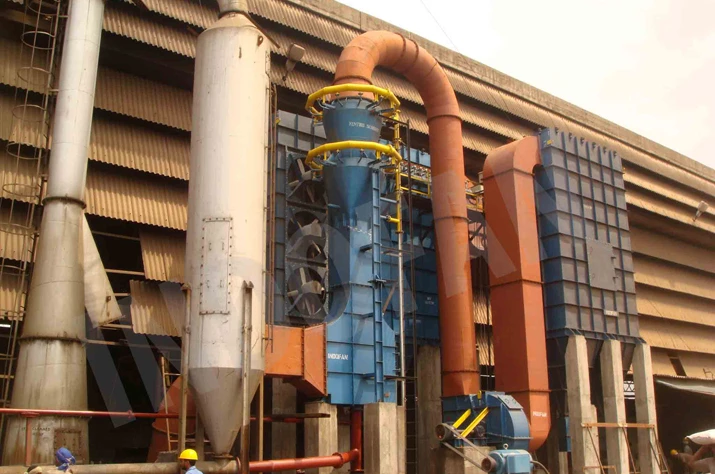
Match filter area to the airflow and dust load, then select a centrifugal blower that delivers the required flow at the system pressure. Spark arrestors protect the bags from hot particles.
Plan for maintenance
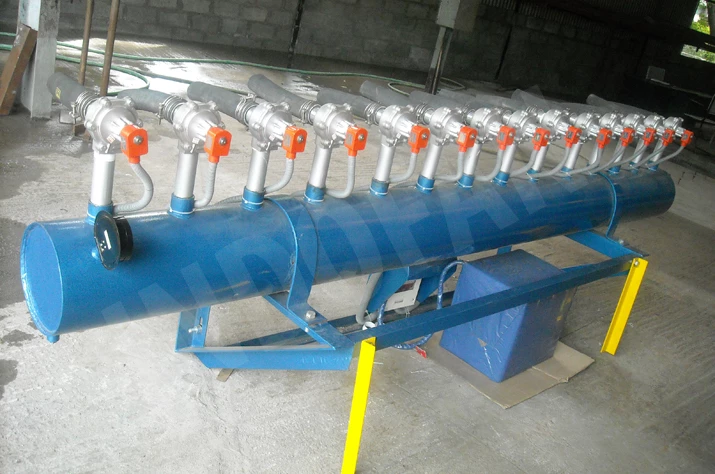
Keep spares for the parts that wear first: filter bags, cages, solenoid valves and sequential timers. See our spares range for the full list.